Reliable Roofing Company: Premium Solutions for Every Roof
A trustworthy roofing company serves a crucial purpose in maintaining the integrity of a home. They provide customized approaches that address particular roof requirements, guaranteeing both longevity and aesthetic appeal. With a focus on premium supplies and expert workmanship, these experts can transform any roof. However, understanding when to repair or replace a roof can be difficult. What considerations should property owners think about when choosing a roofing contractor to protect their investment?
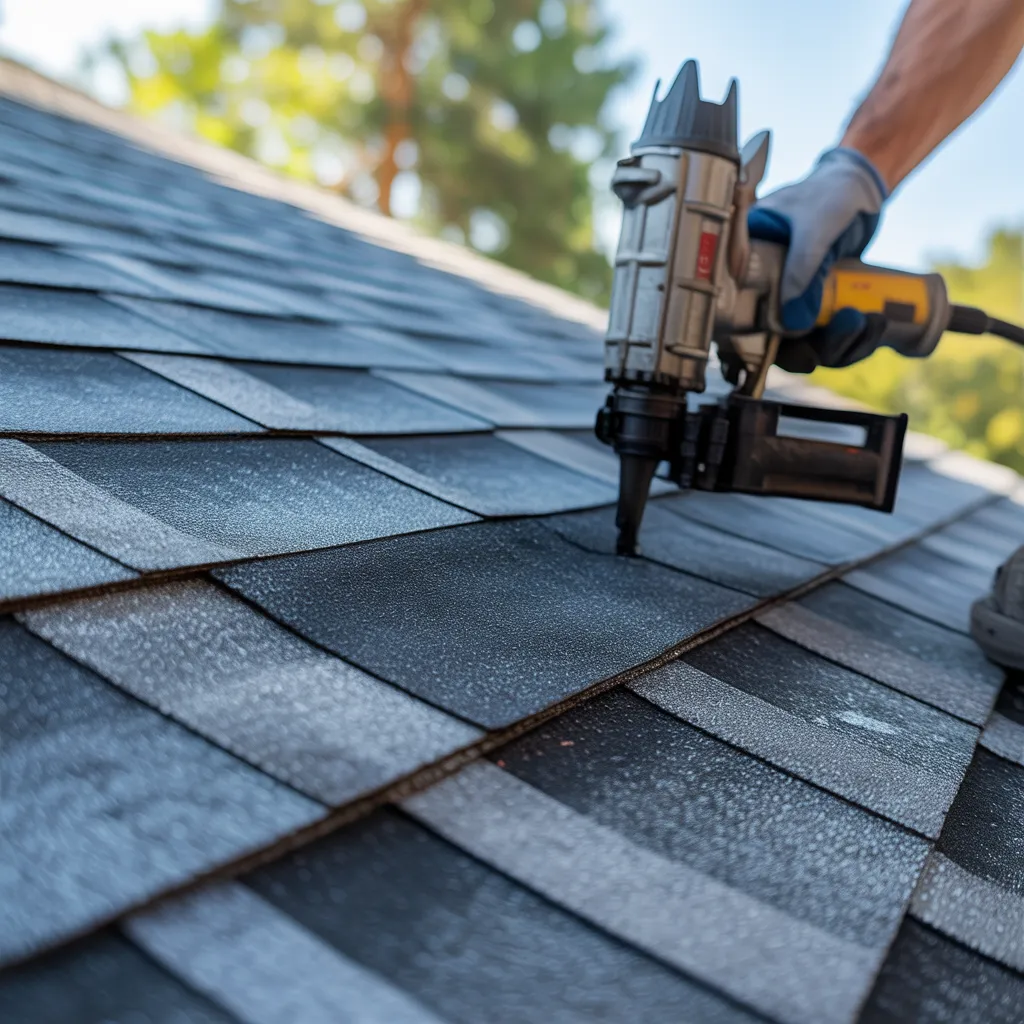
Signs You Need to Change Your Roof vs. Repair?
How can property owners identify if a roof requires replacement or just a repair? This decision rests on several critical factors. Aged roofs, typically over 20 years, often signal the need for replacement, especially if they exhibit widespread wear. Missing, cracked, or curling shingles are alarm bells; if more than 25% of the roof is affected, replacement is likely warranted. Leaks, particularly in multiple areas, can suggest underlying structural issues that repairs alone cannot remedy. Additionally, signs of sagging or water damage in the attic may suggest serious problems that call for a full roof replacement. Homeowners should also consider the cost-effectiveness of repairs versus replacement; frequent repairs may mount up costs that exceed a new roof's price. Ultimately, a professional assessment can illuminate clarity, ensuring homeowners make prudent decisions about their roofing needs.
Considering Your Roofing Requirements
Assessing roof requirements starts with recognizing common issues that may damage a roof's integrity. Property owners should also evaluate the different roofing materials on the market, each providing unique benefits and drawbacks. This assessment is crucial for determining the best course of action regarding maintenance or new installations.
Identifying Frequent Roofing Concerns
Roofing concerns often go unobserved until they develop into assessment serious problems. Homeowners should be mindful in spotting frequent roof problems, such as missing shingles, which can leave the underlying structure vulnerable to moisture. Leaks represent another critical problem, usually evidenced by water stains on ceilings or walls. Additionally, sagging spots may suggest structural damage or poor installation, needing quick attention. Clogged gutters can cause water build-up, raising the risk of mold and rot. Furthermore, signs of wear, like curling or cracked shingles, can weaken a roof's integrity. Regular inspections and upkeep can assist homeowners in identifying these issues promptly, ensuring the lifespan and performance of their roofing systems. Being aware of these frequent problems is vital for sound roof management.
Assessing Material Selections
After identifying typical roof problems, homeowners must consider the materials available for their roofing needs. Selecting the right roofing material is crucial for longevity, appearance, and affordability. Options include asphalt shingles, known for their budget-friendly nature; metal roofing, valued for longevity and energy efficiency; and tile, which provides a distinct look and added insulation. Each material has unique benefits and disadvantages. Homeowners should assess local climate conditions, the architectural style of their home, and financial constraints when making a choice. Additionally, working with a trustworthy roofing company can provide valuable insights into the best materials suited for specific situations. Proper assessment ensures a well-informed decision that enhances the home's value and protects against future issues.
Essential Factors for Selecting a Reputable Roofing Company
When searching for a dependable roofing company, what key qualities should one emphasize? First, a proven track record of knowledge is critical. Companies with extensive experience are more likely to handle various roofing challenges effectively. Second, check for proper licensing and insurance; this protects homeowners from unforeseen liabilities. Third, transparent estimates and contracts are important, as they prevent unexpected expenses and guarantee transparency in service.
Customer reviews and testimonials can offer understanding into a company's dependability and service quality. Additionally, a commitment to using high-quality materials demonstrates a focus on longevity and effectiveness. Finally, excellent customer service is essential; a responsive company will address concerns promptly and keep lines of communication open throughout the project. By prioritizing these qualities, homeowners can choose a roofing company that fulfills their requirements and ensures a successful roofing project.
Common Roof Services
Property owners seeking reliable roofing services often encounter a range of options designed to address various needs. Common roofing services include inspections, which assess the condition of roofs and identify potential issues. Consistent upkeep is also important, as it helps increase a roof's lifespan by resolving minor repairs before they become worse.
Roof replacement is another vital service, often necessary when a roof has come to the end the life of its existence or sustained extensive harm. Fitting of new roofing solutions, such as shingles, tiles, or metal, is a everyday task executed by professionals.
Additionally, critical fixes are important for resolving immediate concerns, such as leaks or severe weather impacts, maintaining the strength and stability of the residence. Finally, many companies offer gutter installation and repair, which plays an essential role in routing water from the roof and foundation, thereby mitigating extra harm.
Roofing Guarantees: What You Must Know
What must property owners comprehend about roofing warranties? Roof coverage are necessary for protecting your investment in a new roof. These contracts usually cover issues in supplies and workmanship, providing reassurance for property owners. There are two main varieties: factory warranties, which cover material failures, and workmanship warranties, which cover construction mistakes.
Homeowners should review thoroughly the agreement provisions, as coverage durations and exclusions can vary substantially. Many warranties necessitate consistent upkeep to remain valid, making it crucial to grasp these commitments. Additionally, some warranties are transferable, increasing worth if the home is sold.
It is also important to indicate that not all warranties are created equal; homeowners should examine options from different manufacturers and contractors to assure thorough coverage. Learning these elements can help homeowners make informed decisions and safeguard their roofs for years to come.
Strategies for Communicating With Your Roofing Contractor
Strong interaction with a roofing contractor can greatly influence the performance of a project. Clients should begin by clearly outlining their expectations, including timelines, budget constraints, and specific needs. This sets up a mutual understanding from the outset.
Regular updates are essential; clients should arrange meetings to discuss progress and handle potential issues quickly. It is beneficial to record every interaction, including agreements and changes, to guarantee clarity and transparency.
Focused listening carries equal importance. Service providers are happy when clients ask or seek clarification, fostering a collaborative setting. Applying visual resources, such as sketches or photos, can also communicate messages more effectively.
Finally, clients should stay receptive to professional guidance. Builders often have useful knowledge about roof materials and techniques. By cultivating a respectful and open dialogue, both sides can collaborate to achieve a successful roof project.
Superior Resources: The Value They Hold for Your Roof
Why are premium materials so essential when it concerns roofing? The integrity and longevity of a roof largely are affected by the materials used. Excellent roofing materials, such as asphalt shingles, metal, or slate, give superior durability and resistance to weather elements. They can tolerate harsh conditions, reducing the risk of leaks and damage, which ultimately saves homeowners on costly repairs.
In addition, excellent materials typically offer long-term warranty coverage, giving added confidence and assurance. The insulation properties of high-performance materials also assist efficient energy management, contributing to lower climate control expenses.
Furthermore, visually attractive materials enhance a home's curb appeal, possibly raising its resale price. As a result, investing in premium roof materials is not merely a choice but a calculated investment for future gains. Reliable roofing companies emphasize these materials, ensuring that every roof they install meets excellent benchmarks for performance and resilience.
Frequently Commonly Questions
What Timespan Does a Conventional Roofing Project Require to Finish?
A standard roofing project generally takes between one to three weeks to finish, based on elements like the roof size, material type, weather conditions, and the complexity of the repair or installation required.
What Forms of Roof Materials Stand as Most Resistant?
Metal, slate, and concrete tiles rank among some of the most long-lasting roofing options. These alternatives deliver superior resistance against environmental conditions, guaranteeing longevity and minimal upkeep, making them preferred options for property owners seeking enduring protection.
Do roofing companies offer financing options?
Several roofing businesses provide financing options to support homeowners reduce costs. These offerings may feature loans, payment schedules, or financing arrangements, making it easier for patrons to finance vital roofing repairs or roof installations.
How Do I protect My Roof's lifespan in good condition?
To keep a roof's durability, regular inspections, prompt repairs, gutter maintenance, removing debris, and maintaining correct ventilation are necessary. Additionally, using protective sealants can increase durability and protect against damage from environmental conditions over time.
Are there seasonal considerations for roofing work?
Year-round considerations for roofing work include avoiding winter ice and snow, ensuring summer heat doesn't damage materials, and timing repairs during dry seasons. Each season offers unique obstacles that can affect roofing maintenance and installation.